Eat Your Greens—Vegetable Offerings Abound in the Region
Fresh vegetables are a must for a healthy diet, and lucky for residents in the region, you don’t have to go far to find them. There are over 39,000 acres of land in agricultural production, resulting in an abundance of bright and tasty vegetable options for all food palette types.
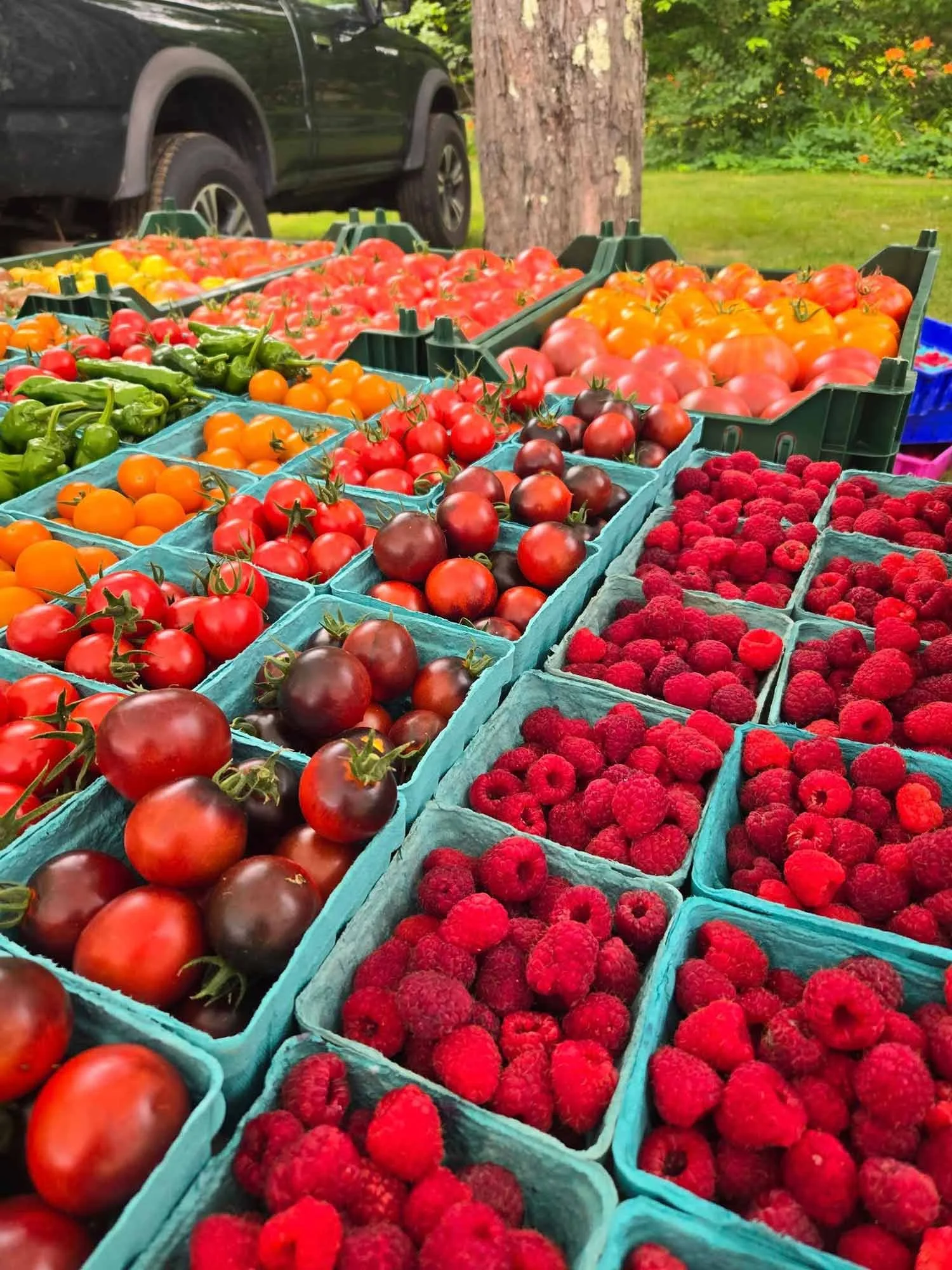
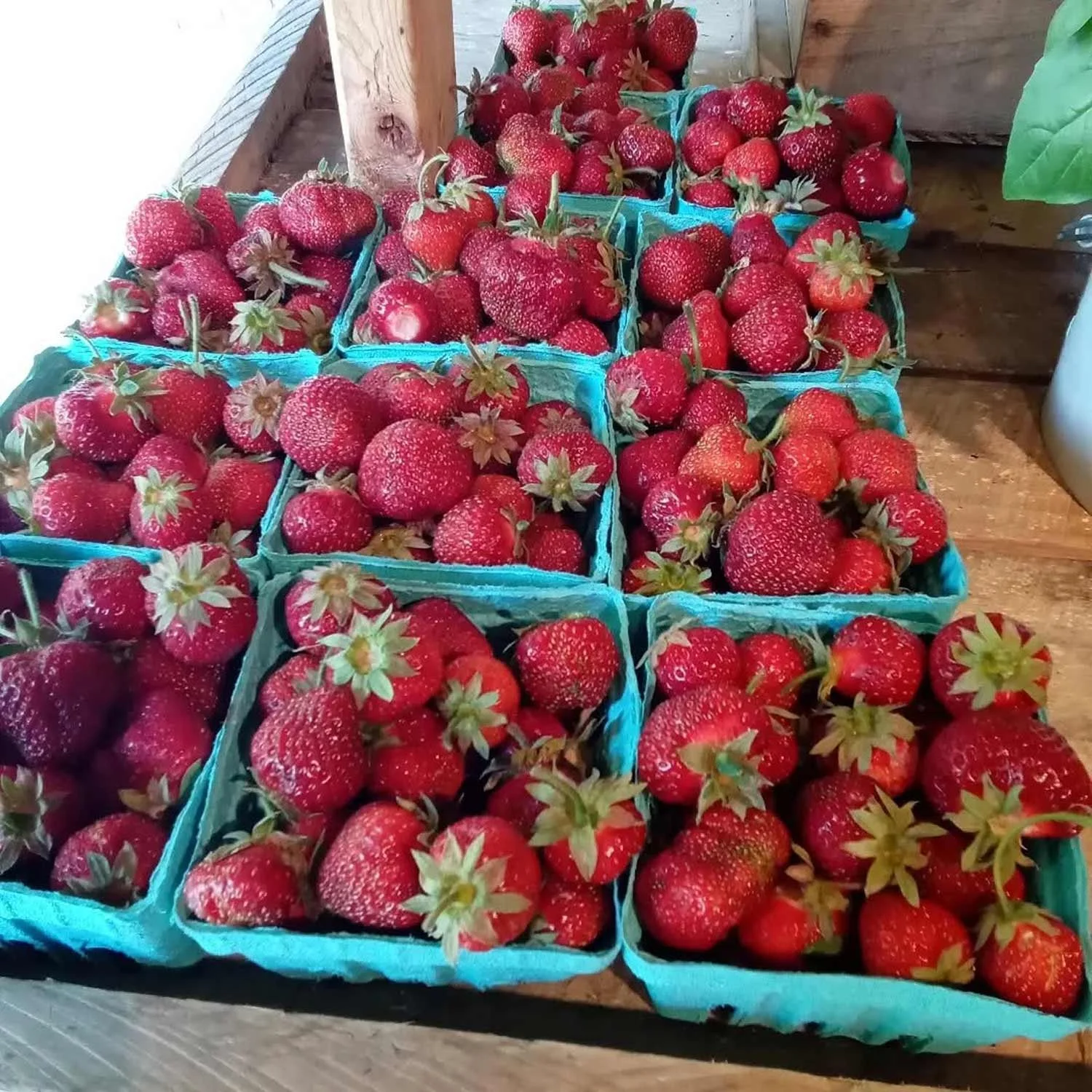
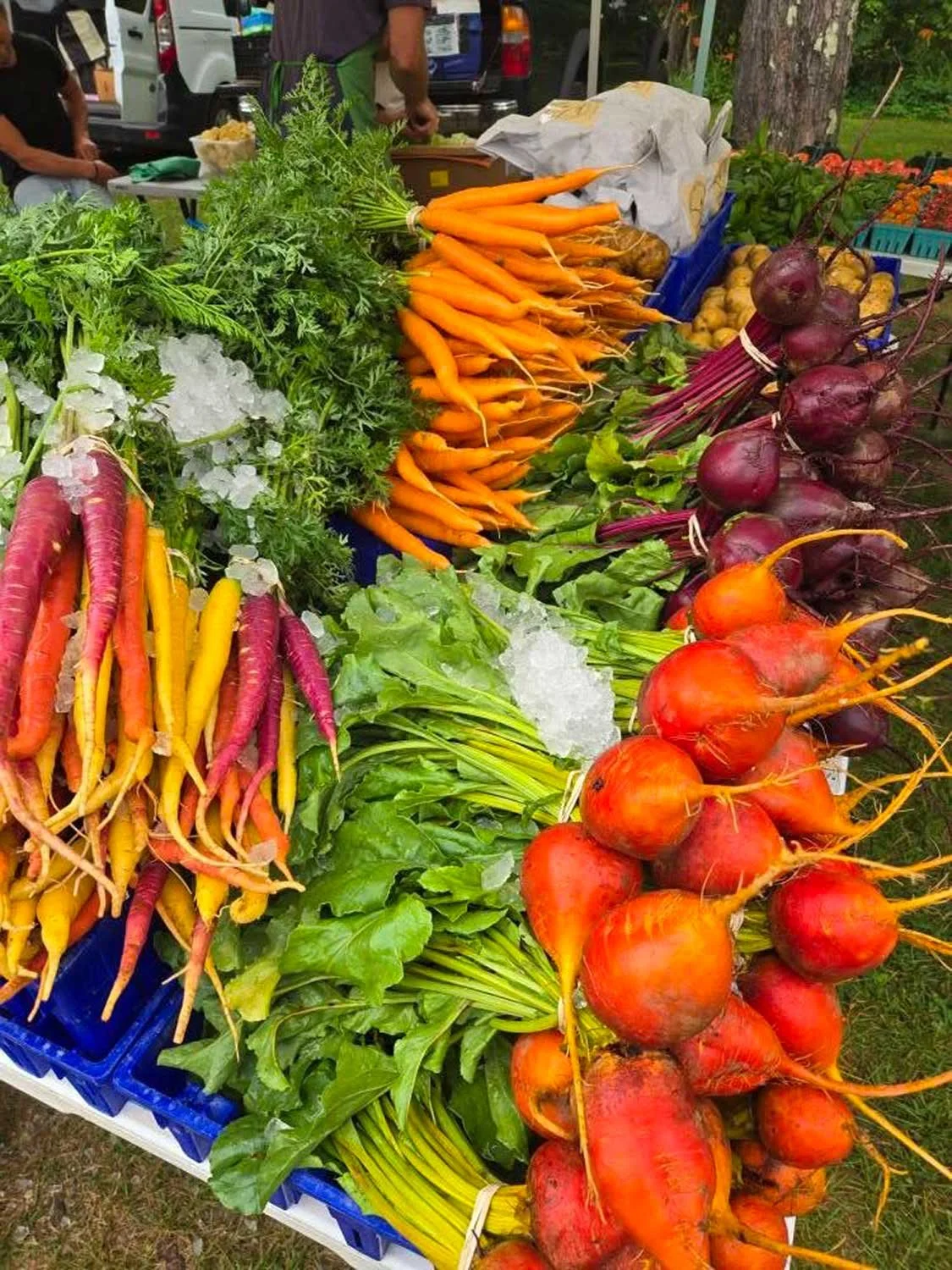
Photo Credit: Deep Meadow Farm
Deep Meadow Farm
It’s normal for Jon Cohen of Deep Meadow Farm to work 12–14-hour days during the summer. It comes with the territory of maintaining 10 acres of farmland — something his family has been doing in Vermont since 2001.
He hopes to one day pass all his farming knowledge on to his son, Kyle, and other dedicated, long-time employees.
“The end game is that they learn the massive knowledge that I have amassed over the past few years, past decades, and that it gets transferred along,” said Cohen.
As a certified organic farm, Deep Meadow produces berries, flowers, and a wide array of vegetables. They are especially well known for early greenhouse tomatoes.
“[We do a] bit of winter squash, a lot of collards. Root crops. And then the rest is just, you know, a variety of different things,” said Cohen. “Quality is everything you know, I mean our reputation stands by quality.”
This farm offers shoppers the chance to join the Farm Direct Program, their unique spin on a CSA program. For as little as $50, folks can load a debit-like card as often as they like throughout the season and spend it at their leisure.
Unlike other CSAs, there are no preselected items. Rather, individuals can use their funds toward whatever seems appealing (or necessary) to them at the time and in future seasons.
“There are different tiers you can buy in at, but $50 is what gives you access to all of our sales every week,” Cohen explained.
The farm opens for the season in May and runs through October.
Edgewater Farm
The crop rotation at Edgewater Farm is super complex — and it’s something Ray Sprague thinks about constantly.
“We want to have the full package for our farmstand,” said Sprague. “My crop rotation is based on the plant family. All this stuff plays in to our ecosystem. It’s super complex and probably overthought because we do have that good rotation in place. We can’t just put half our rotation in potatoes and then be a medium-sized potato operation. I could probably get my price points down, but I’d rather have five acres of potatoes and then be able to donate to Willing Hands.”
In the ‘70s, Sprague’s parents launched PYO strawberries at the farm and introduced sweet corn. The community loved the pick-your-own operation so much that Edgewater Farm asked itself, “What else can we do?” and set out on a mission.
“If there was one crop, I’d say strawberries is what we hang our hat on. In our greenhouse production, we do a lot of tomatoes, cherry tomatoes, cucumbers. We’re probably one of the largest onion growers in the state with just like three acres,” Sprague explained. But that’s not all Edgewater Farm harvests.
According to their website, “the farmstand opens in June, often heralding the first greens, greenhouse-grown tomatoes and strawberries from the gardens. By late June, the farmstands are filled with a full spectrum of vegetables and summer raspberries from their fields.
“July and August bring sweet corn and melons, which give way in September to the cool weather crops such as pumpkins, roots crops, fall raspberries and cool season greens.”
Sprague is humble about his farming practices. “We’re just generalists at all this stuff.”
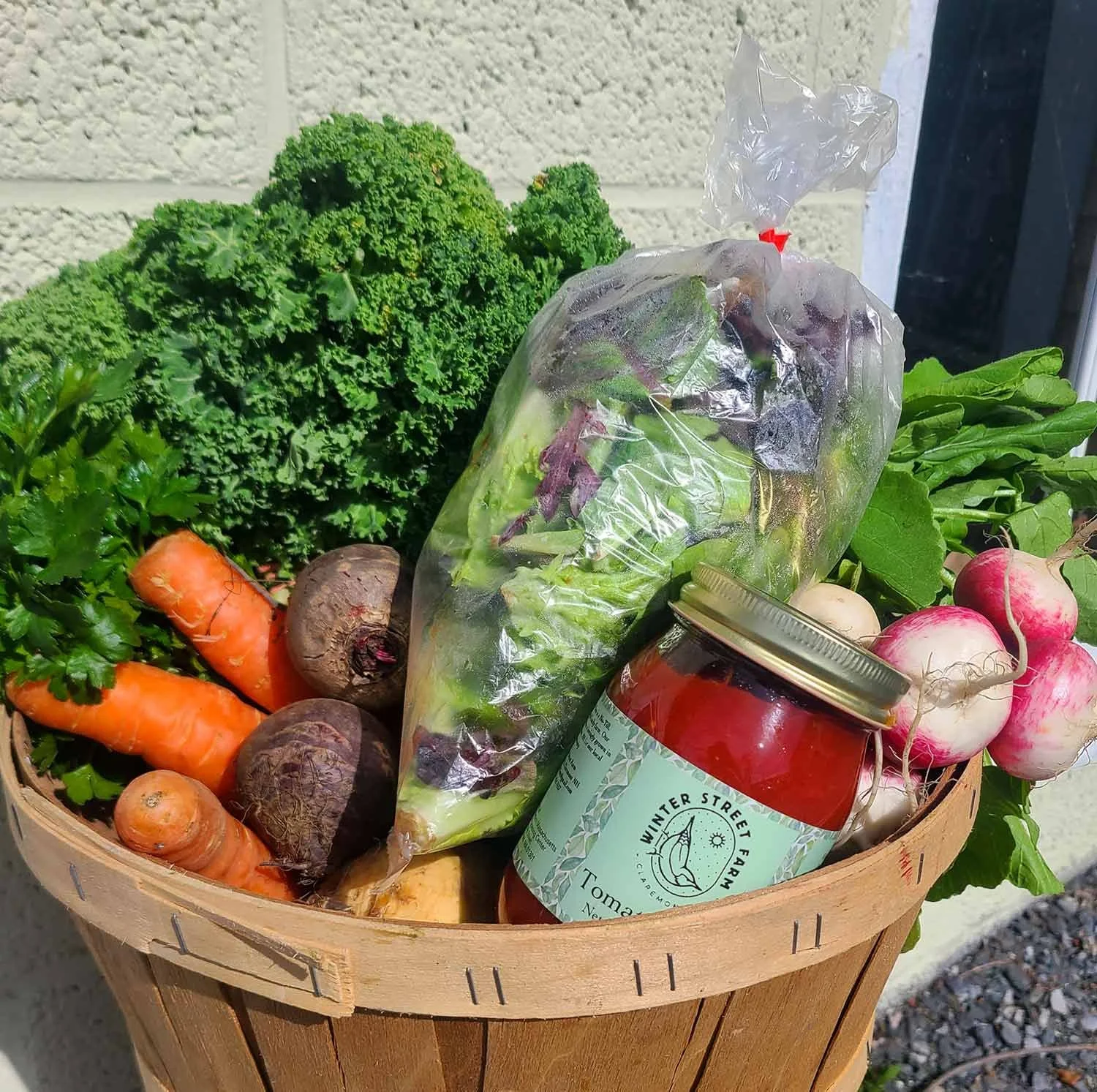
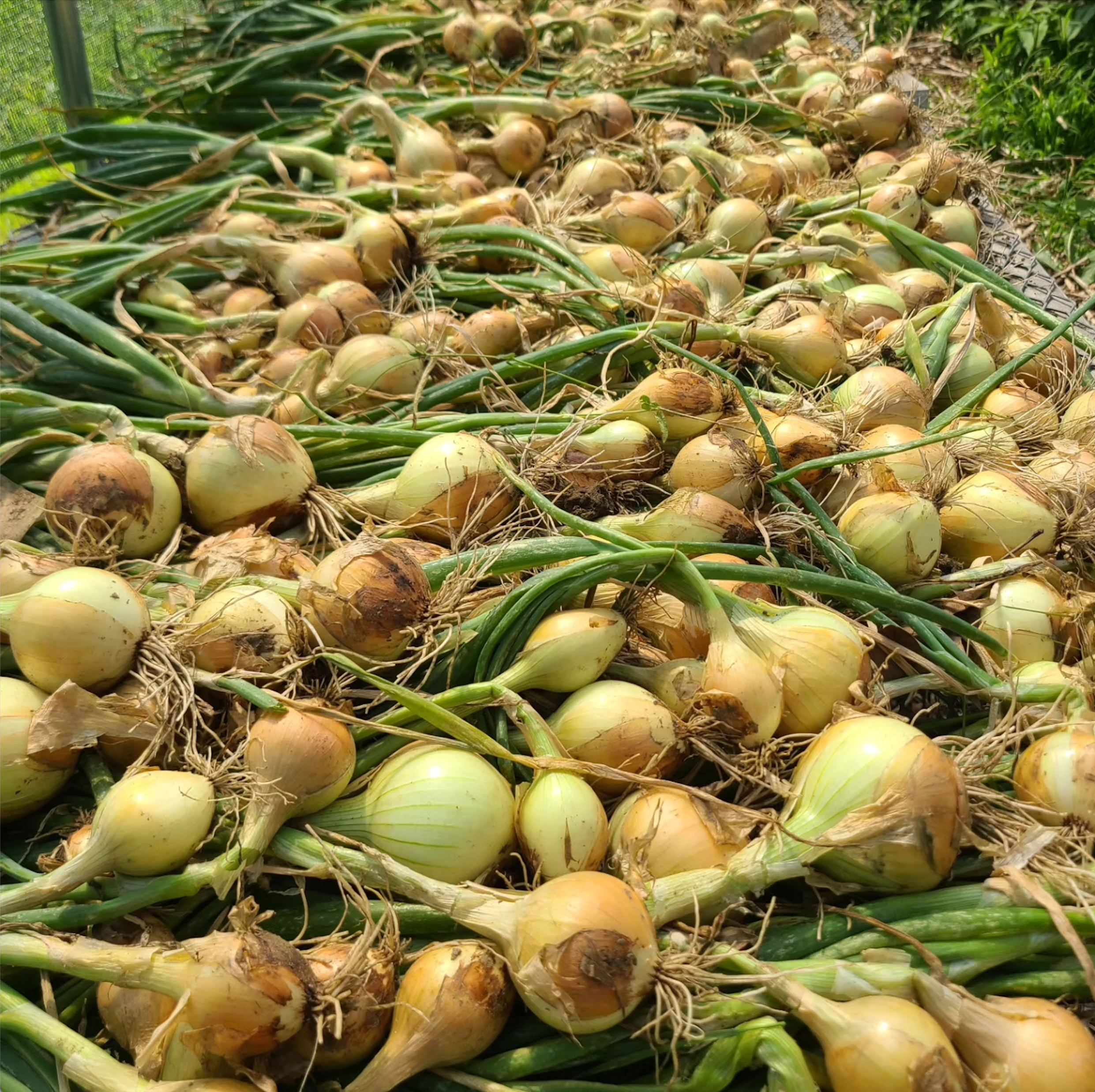
Photo Credit: Winter Street Farm
Winter Street Farm
Jonathan Hayden and Abigail Clarke own and operate Winter Street Farm on Winter Street in Claremont.
What began as a small, community-oriented CSA has evolved into a no-till, organically certified vegetable production farm that feeds 150 families through a year-round CSA, along with a seasonal public farmstand and on-site community composting.
“What we eat matters, for ourselves and for our future,” States Hayden, and “that is why Winter Street Farm offers a diverse array of vegetable products.”
Winterstreet has a diverse amount of vegetables ranging from tomatoes, lettuce, cucumbers, zucchini, and broccoli to hakurei or kohlrabi.
“We do pick-your-own cherry tomatoes, beans, and peas as well as pick-your-own flowers. We try to supply a version of an allium (garlic, onions, or scallions) as well as carrots all year. Some years we make it perfectly and others we miss it by a week or two, but nonetheless we do try to have lots of variety year round.” states Hayden.
Winter Street Farm has a lot of fun, too. Every year, they host several community events and the ever-popular Tomato Jam. There are several opportunities to bond with your fellow community through local potlucks and educational workshops.
Bascom Farm
Like many farmers, Donna Bascom starts planning her gardens and vegetable plots when it’s still cold out.
“In early February, I start seedlings for the vegetable operation,” she explained, adding that planning the operations at Bascom Farm is really a year-long endeavor. “We're also focused on providing a large selection of vegetables that families will eat over the course of the year.”
There’s something colorful (and tasty) for everyone during all three harvest seasons at the Charlestown-based farm, thanks to their impressive crop diversification.
In the spring, folks can find spinach, lettuce, oriental greens, Bok choy, kale, beets, arugula, radishes, scallions, snap peas and baby carrots.
Summer crops at Bascom Farm include tomatoes (of course), cucumbers, peppers, beans, summer squash and zucchini, eggplants, broccoli, cauliflower and potatoes. There’s also a slew of herbs available in the summer like cilantro, dill and parsley.
Finally, in fall, root vegetables abound with the harvest of potatoes, turnips and carrots, along with cabbage, Brussels sprouts, winter squashes and more.